
When the Parenting Doesn’t Taper Off
Therapy for Parents of High Functioning Autism
Depression
Worry
Guilt
Frustration
Helplessness
Hopelessness
Who The Therapy is For
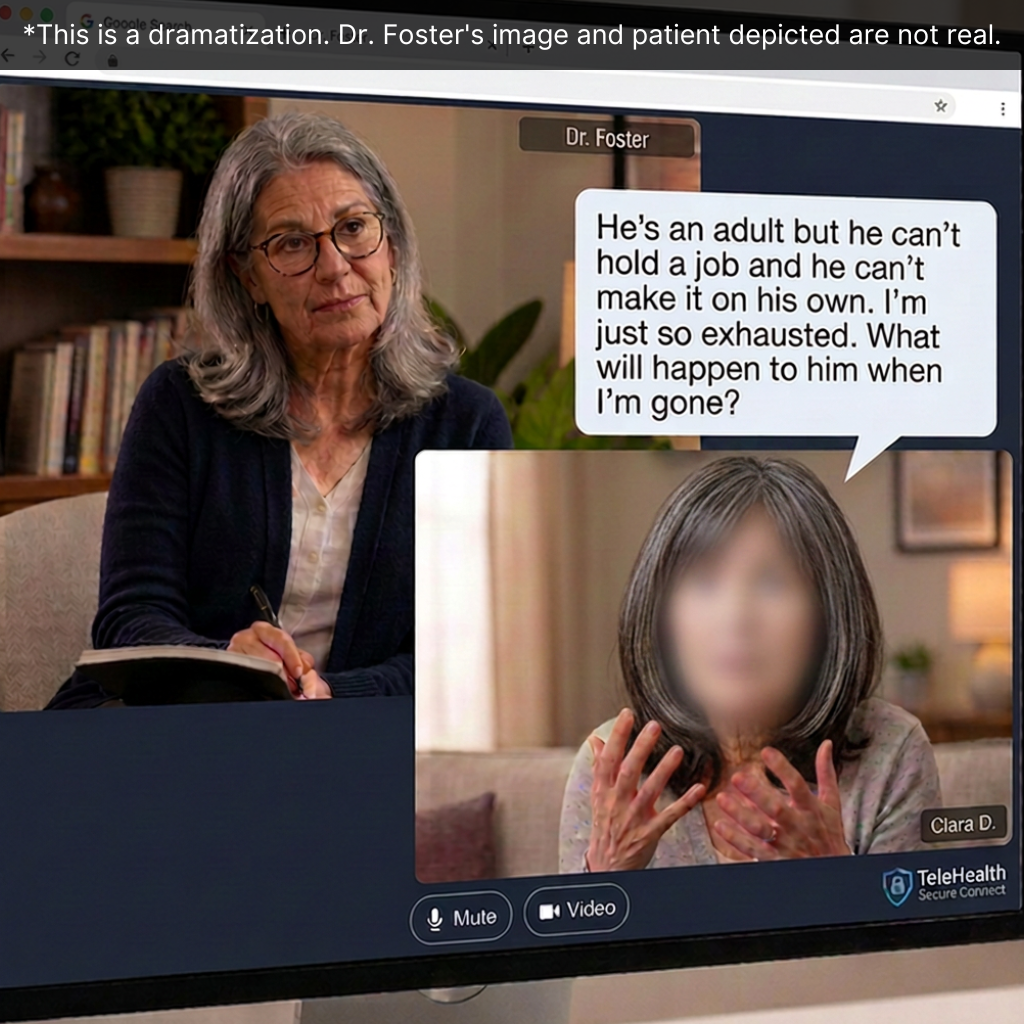

Parents whose adult child has been diagnosed with autism and want therapy and support for the future
Parrents who believe the diagnosis of autism was missed in their now adult child and need validation
Parents needing psychological support with “failure to launch”
Parents wrestling with the decision to support the adult child to move back home or to move out of the home
Parents worried about how their adult child will survive on their own
Why Independence Feels So Fragile for Neurodivergent Adults
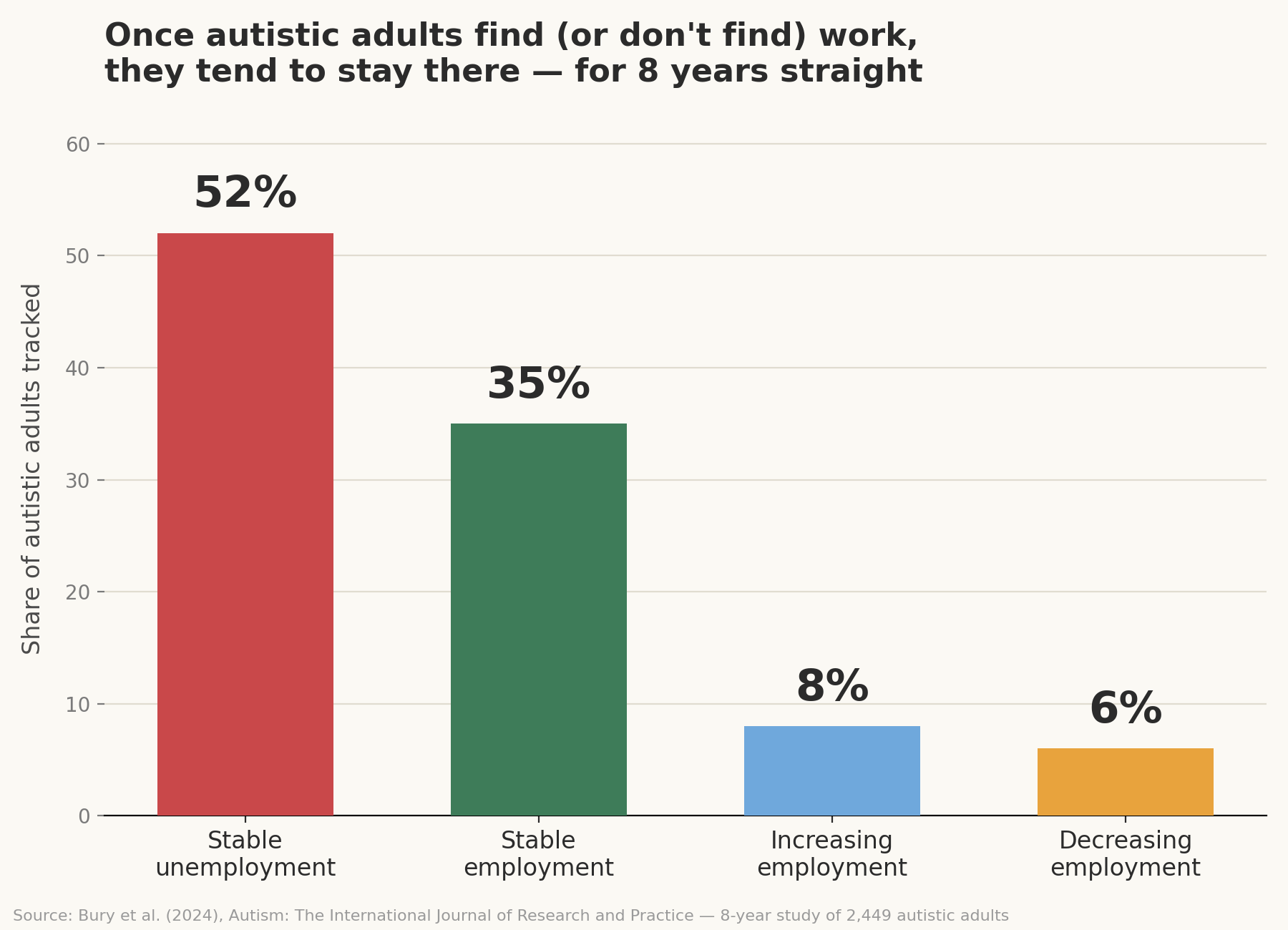
Source: Bury, S. M., Hedley, D., Uljarević, M., Li, X., Stokes, M. A., & Begeer, S. (2024). Employment profiles of autistic people: An 8-year longitudinal study. Autism, 28(9), 2322–2333.
What to Expect
A Comprehensive Review: your adult child’s neurodivergent profile, and its emotional toll on you.
Specialized Insight: what drives negative interactions between the two of you.
Actionable Guidance: practical recommendations you can start to use on Day 1.
Validation & Support: sharing grief, reducing guilt and worry, building acceptance.