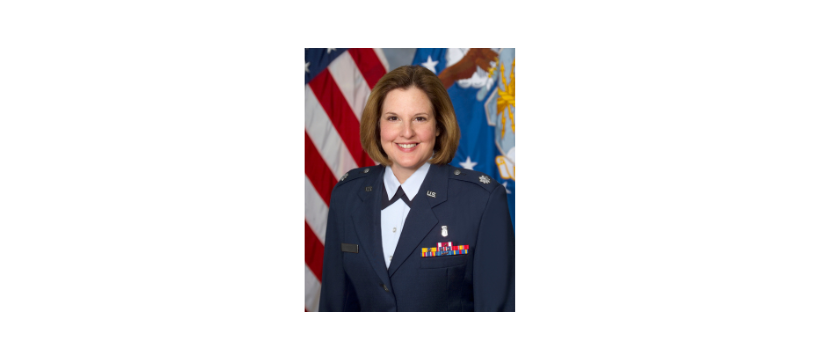
The Military Still Can't Decide If She's a Warrior
What the Warrior Ethos Gets Wrong About Women Who Serve
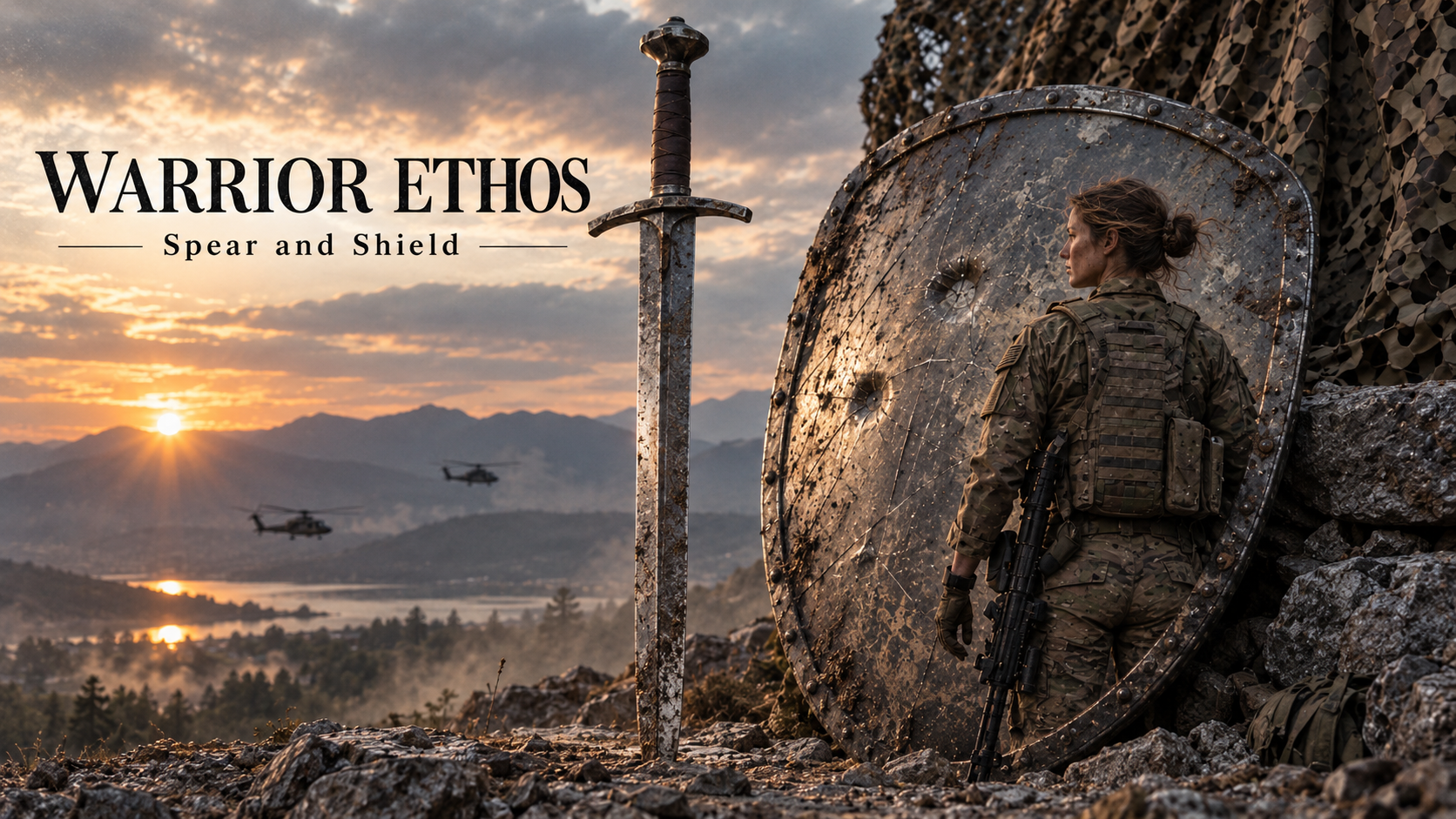
A Spear and Shield meet he Warrior Ethos
The sword carries a name… Andúril. Excalibur. Sting.
Men write stories about the mighty blade — the day it was forged, the warrior who carried it, the enemy it was meant to slay.
The shield is different.
Hammered by the Greek god of fire and carried by Achilles, the shield was described for many pages by Homer.
And still, nobody remembers its name.
Why?
Because it never had one.
In our folklore, the man is the spear… the woman is the shield.
It is a lovely image. Until you look more closely.
Everyone remembers what the spear does.
Almost no one reveres the conquests of the shield.
A shield does not simply stand still, it absorbs.
It takes the blows meant for another.
No one writes a poem about the hundredth blow. Only about the final sword-stroke that ends the battle.
Ask a shield how many battles it survived, and it will answer:
"None. For I was only ever asked to stand between."
_________________________________________________________________________________________________________________________
There is a word we use with great reverence in the military:
Warrior.
We speak of the warrior ethos as if the image is universal.
A man — strong, square-jawed. Ready to fight, fight, fight. Pushing ever onward.
For most of history, a man held the brush that painted the warrior.
And so the warrior became the spear, and later advanced to become the "tip of the spear”.
But who paints the shield?
The shield was engaged in every war the spear ever fought.
Absorbing what the spear alone could not survive.
But the shield does not make a dramatic figure.
The shield is quickly forgotten.
Except by those whose lives it saved.
When someone insists the warrior ethos belongs to the spear, they see only half the image — a portrait in which the artist has chosen to shine a light on the weapon, leaving the shield in the shadow.
Somewhere, right now, a shield is operating on a wounded soldier, standing watch over a flight line, at the controls of a combat aircraft— wondering why her picture is missing from the scene.
In truth, she is not missing from the battle. She is only missing from the picture.